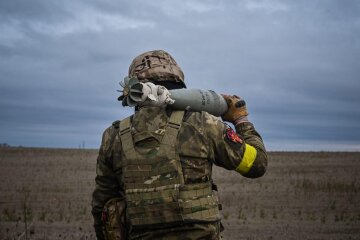
Some of Ukraine's better units "worked out how to conduct offensive operations under modern conditions" over the course of 2025. This enabled successful counterattacks in Kupiansk and in the south, reported Dr Jack Watling, an analyst at RUSI.
As "Hvylya" reports, citing a RUSI commentary, the key question for Kyiv is whether the tactics of these units "can be taught more widely across the front."
Russian gains over the past year were enabled by "the growing lethality of Russian fires and dwindling Ukrainian troop strength," which allowed Russia to "persistently infiltrate and thereby undermine Ukrainian defensive positions."
Watling argued that fixing Ukraine's training process is the key to addressing the challenge of force generation, bolstering units at the front enough that Russia "cannot continue its infiltration tactics when vegetation returns in the spring."
Russia is likely able to maintain its current rate of recruitment despite the "punishing rate of casualties" inflicted by Ukrainian fires, although an increasing share of recruits are mobilised reservists or coerced rather than volunteers. According to Ukraine's top general, Russian losses surpassed recruitment in 2025. If Russia's progress slows significantly, Putin's perception of his prospects may shift as "political risks at home expand."
On a related note, see why Russia can't build the weapon that causes 80% of casualties.