The American war against Iran has sharply raised the risk of Russian aggression against NATO's eastern flank, Polish strategic analyst Piotr Kulpa said. According to the expert, Russia could now strike the Baltic states - most likely Lithuania - with relative impunity, using drone-centric warfare to destabilize the region without a full-scale ground invasion.
In an interview with "Hvylya", Kulpa explained that from Moscow's perspective, the Iran conflict is a strategic windfall. "This war is good for Russia," he said, noting that it drives up energy prices, creates a survival cushion for Putin's regime, and boosts Russia's leverage in its relationship with China.
Kulpa argued that the Iran war mirrors the Russia-Ukraine conflict - but in reverse. While Russia's invasion of Ukraine served China's interests by draining Western resources and fracturing the transatlantic alliance, the Middle East war works in favor of the United States and Russia at China's expense. "We see a strategic alliance between the United States and Russia taking shape here," the analyst said. "Russia faces practically no risks from this war and simply collects the benefits."
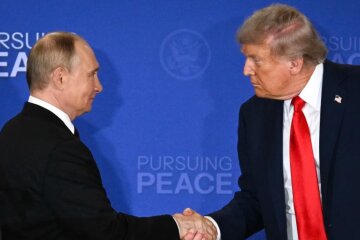
The key danger for Europe, according to Kulpa, is that a Russian strike on NATO's eastern flank would force Trump into the role of negotiator on behalf of a formally intact but effectively paralyzed NATO. Putin's goal is not military conquest but a diplomatic outcome - forcing talks about Russia's role in Europe's security architecture, the same objective Moscow laid out in December 2021. "Putin is trying to achieve goals he cannot achieve by military means," Kulpa said.
The analyst stressed that Central European societies are not psychologically prepared for war. Unlike Ukraine, which was forced into that reality, NATO's eastern members still cling to the hope that conflict can be avoided. In that environment, any Russian strike victim would likely "be left on its own and hear nothing but thoughts and prayers from others."
Also read: George Friedman: A Nuclear 9/11 - The Fear Behind America's Strike on Iran