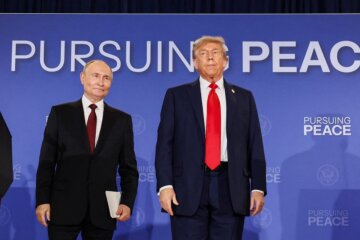
Russia's rejection of President Donald Trump's peace effort has reopened a volatile debate within the MAGA coalition about what comes next - at a moment when several forces that suppressed pro-Ukraine sentiment on the American right are weakening simultaneously.
As "Hvylya" reports, citing a Foreign Policy analysis by Atlantic Council senior fellow Adrian Karatnycky, Moscow's intransigence has shattered a core assumption of the MAGA approach to Ukraine - that diplomatic engagement with Russia could quickly produce results.
The timing is significant. Tucker Carlson, one of the most influential anti-Ukraine voices on the right, has seen his standing diminish after embracing anti-Jewish stereotypes and platforming admirers of Hitler and Stalin. Hungarian Prime Minister Viktor Orban, who played a central role in turning MAGA opinion leaders against Ukraine, now faces potential electoral defeat in April. Europe's major nationalist movements - led by Giorgia Meloni, Nigel Farage, and Marine Le Pen - have broken with Trump and shifted toward supporting Kyiv.
Perhaps most critically, polling data contradicts the elite anti-Ukraine consensus within MAGA. A December 2025 Reagan Institute survey found that nearly two-thirds of MAGA Republicans support sending weapons to Ukraine and an activist foreign policy. Most American voters view Trump's neutrality negatively. With midterm elections looming, these numbers create political incentive for a shift.
The way some MAGA icons have paired hostility toward Ukraine with the platforming of extremists has also prompted reflection and sharp debate among conservatives. Recent controversies over openly racist, antisemitic, and neo-Nazi sentiments within the Trump coalition have shattered the idea of preserving the right's unity at all costs, causing turmoil at the Heritage Foundation and sharpening divisions at the recent Turning Point USA conference.
Trump's own foreign policy has complicated the isolationist argument. With U.S. military operations in Iran, Yemen, and Venezuela, the administration has been more interventionist than its rhetoric suggested. Trump's success in shifting the financial burden of supporting Ukraine to Europe has also reduced opposition to Kyiv within the MAGA coalition - removing the argument that American taxpayers bear the cost alone. Washington's decision to temporarily stop sharing intelligence with Kyiv in March 2025 backfired as well, drawing sharp rebukes even from European allies traditionally sympathetic to Trump.
Also read: "No More Foreign Wars": Trump's Iran Campaign Threatens the Biggest Fracture in His MAGA Coalition