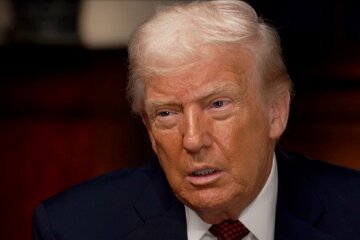
The Trump administration's 2025 National Security Strategy describes "the world as we might like it to be" rather than as it actually is. That verdict came not from political opponents but from two former holders of the very office that produces the document - H.R. McMaster and Jake Sullivan.
On the World Class podcast at Stanford University, both former national security advisors dissected the strategy in detail. As "Hvylya" reports, McMaster - who oversaw the widely praised 2017 NSS that pivoted U.S. policy toward great power competition - said the new document "fell into the trap that previous ones had fallen into as well," producing an aspirational vision rather than a clear-eyed threat assessment.
Sullivan went further. He said the document's answer to the question of who is the biggest threat facing the United States is "basically it is immigrants, it is migrants." The strategy extends this framing to Europe, where it identifies the chief danger not as Russia but as migration leading to what the document calls "civilizational erasure." Sullivan called this "a huge shift" and observed it is "the first time I have seen in a National Security Strategy in the modern era a thumb on the scale - maybe a whole fist on the scale - with respect to political preferences in allied countries." The document specifically promotes "patriotic parties" - right-wing movements in Europe - which Sullivan described as putting JD Vance's Munich speech on paper.
On China, both observed a sharp narrowing. The 2017 and 2022 strategies treated Beijing as an all-encompassing competitor across military, technological, economic, and diplomatic domains. The new document does not mention China until page 19 of 30 and frames the challenge almost entirely in economic terms. Sullivan warned this telescoping raises "enormous questions about things like U.S. policy towards Taiwan and U.S. policy towards allies in the region."
Russia fares even worse in the new strategy. Host Colin Kahl observed that the document "doesn't really describe Russia as a threat" and instead prioritizes strategic stability - a stark departure from the confrontational posture of both the first Trump and Biden-era strategies.
Also read: Future in Question: Kaplan Assesses Whether US Democracy Can Survive the Digital Media Era.