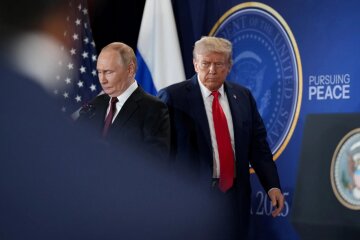
A year ago, Vladimir Putin appeared to be in a commanding position. Trump's return to the White House seemed to offer Moscow a diplomatic shortcut to achieving what it could not win on the battlefield. Instead, Putin squandered the opportunity through a combination of military overconfidence and political miscalculation, according to Michael Kofman.
As "Hvylya" reports, Kofman outlined this assessment in a special episode of the Foreign Affairs podcast, analyzing the war on its fourth anniversary. The complete transcript is published on our website.
Putin placed two big bets in 2025, Kofman explained. The first was military: that sustained pressure along a broad front would force a Ukrainian collapse. That bet had been failing for two years. The second was political: "that through diplomacy he could maneuver the United States out of the war, collapse the Western coalition, and achieve what he wants that way." Early in the spring, it looked like it might work - Washington's view was that Ukraine was the problem in negotiations.
But the dynamic shifted dramatically. "That clearly changed by late summer and fall," Kofman said. The United States sanctioned Russian energy companies. Intelligence and material support for Ukraine continued, now funded by Europeans but still relying on American capabilities. "In the big picture, things haven't changed that much," he noted. The administration that arrived thinking Ukraine was the obstacle to a settlement gradually learned "that actually Russia is the biggest part of the problem, not Ukraine."
The result left Putin worse off than before. His military failed to break through. His diplomatic gambit backfired. And the question Kofman now poses is stark: if this goes on for another year, what is Putin's theory of success? The battlefield offers no answer, the economy is straining, and the Western coalition - while reconfigured - remains intact.