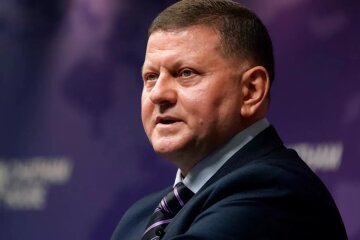
On the evening of 23 February 2022 - hours before Russia's invasion began - Zaluzhnyi and his generals at the armed forces headquarters took measures they had no official authority to take. Mines were laid on the Black Sea floor to thwart a potential amphibious landing in Odesa. Some units were ordered to more advantageous positions.
As "Hvylya" reports, citing The Guardian's investigation by journalist Shaun Walker, the orders were given in defiance of presidential authority.
"All of this was totally forbidden. If the invasion hadn't happened, there would have been a chance of prosecution against us for doing it, but most commanders accepted we had no choice and carried it out," said one general.
Throughout February, tabletop exercises had been held among the army's top commanders to model various invasion scenarios, including an attack on Kyiv. But without presidential sanction, the plans remained on paper: any large-scale troop movement would have been both illegal and impossible to disguise. Zaluzhnyi had been pushing for martial law since January, but Zelensky feared panic. On 22 February, the security council voted only for a state of emergency - a weaker measure.
Meanwhile, military intelligence agency HUR was also making quiet preparations. On 18 February, its head Kyrylo Budanov received a three-hour briefing from a Western official who laid out in detail the Russian plans for seizing Hostomel airfield. The information helped set up some last-minute defensive plans, although the Ukrainian victory at Hostomel in the first days of the war would be a chaotic and close-run thing. Since then, Ukraine has developed cutting-edge air defense systems to address the kind of threats that caught the military off guard in those first hours, while Russia's mounting losses continue to pile up.