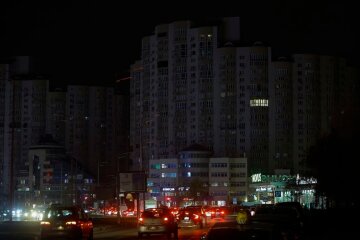
Residents of Kyiv were receiving electricity for only one and a half to two hours a day on some days in February 2026. American analyst Michael Kofman cites this fact in a Foreign Affairs article published February 16, 2026, documenting the cumulative toll of Russia's relentless strikes on Ukrainian energy infrastructure.
As "Hvylya" reports, Kofman describes the current situation as dramatically worse than previous winters.
Rolling blackouts have been the norm in Ukraine since October - but this year the situation deteriorated sharply. "Ukraine's battered grid is under increasing strain from regular Russian strikes on substations... the situation has now become so awful that residents of Kyiv were getting one and a half or two hours of electricity on some days in February," Kofman writes.
He notes that despite Western sanctions and export controls, Russia has substantially scaled up production of multiple rocket types since the war began. The growth in long-range kamikaze drone output, he says, has been nearly exponential. Where Ukraine faced hundreds of drone strikes per month in 2024, by 2025 it was facing thousands, combined with cruise and ballistic missiles. Russia's mounting losses on the ground have not slowed this air campaign.
Ballistic missiles put particular pressure on Ukraine's advanced air defense systems. Ukraine is responding with new tools - including the "Sunray" laser unit and high-speed interceptor drones - though some solutions perform poorly in the winter weather that dominates the season.