Amid ongoing Russian attacks on energy infrastructure, Ukrainians are once again living under electricity conservation measures. Power outages have become a daily reality, and energy officials are increasingly urging citizens to use household appliances mindfully, particularly during peak hours.
This is not just about personal bills. Every boiler or heater switched on in the evening adds an additional burden to an already weakened power grid.
The Main "Energy Guzzlers"
Every home contains appliances that consume far more electricity than it might seem at first glance.
-
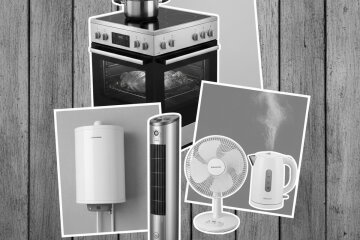
Electric stoves and ovens: These are the absolute leaders. Preparing a single dinner can rack up more kilowatts than a television running all day.
-
Water heaters (boilers): Another record-breaker. Heating water requires significant power, especially if the device kicks in during peak hours.
-
Space heaters and fan heaters: A critical factor during winter. They run for long periods and consume high amounts of energy, causing sharp spikes in grid load.
-
Electric kettles and microwaves: Paradoxically, even though they only run for a few minutes, they draw a massive amount of power.
Other high-consumption items include:
-
Washing machines and dishwashers
-
Air conditioners (in summer)
-
Irons and hair dryers
-
Old-fashioned lighting without LED bulbs
In contrast, refrigerators and internet routers—while running constantly—consume relatively little and do not create sudden load spikes.
The Most Dangerous Hours
The highest demand on the energy system occurs during two windows:
-
Morning: 07:00 to 11:00
-
Evening: 17:00 to 22:00
Using several high-power appliances simultaneously during these times can lead to local overloads and emergency blackouts.
What You Can Do Right Now
Energy experts recommend simple but effective steps:
-
Avoid running a boiler, stove, and washing machine at the same time.
-
Shift laundry and water heating to nighttime.
-
Use multi-tariff meters where possible.
-
Unplug electronics rather than leaving them in standby mode.
-
Replace old bulbs with LEDs.
Why It Matters
Conserving electricity today is more than just a way to lower your utility bill. It is tangible support for a power grid operating under the constant threat of shelling.
Maintaining a stable load on the network reduces the likelihood of sudden outages. This ensures that homes stay lit for longer, even during the most challenging periods.