A Ukrainian military-technology expert has solved a problem that stalled Kyiv's efforts for months - how to shut down Russia's illicit Starlink terminals without crippling Ukraine's own massive drone operations.
As reported by "Hvylya", citing The Economist, Serhii "Flash" Beskrestnov, an adviser to Defence Minister Mykhailo Fedorov, proposed creating a "white list" of terminals authorized to operate within Ukrainian territory. Ukraine has at least 50,000 Starlink terminals, mostly paid for by Poland.
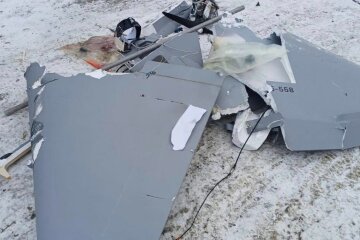
The challenge was existential. Russia's elite Rubikon drone-innovation unit had begun mounting Starlink antennae on long-range Molniya-2 and Geran drones. Resistant to jamming, these drones could strike moving targets - trains, lorry convoys - more than 80 kilometres behind Ukraine's front lines. They could also manoeuvre to hit civilian targets with deadly accuracy.
Beskrestnov's second innovation was a speed cap. By limiting Starlink terminals in Ukraine to 90 kilometres per hour, the system would nullify their use on Russia's fast-moving attack drones while leaving Ukraine's slower FPV drones unaffected.
On January 29th, Defence Minister Fedorov announced that SpaceX had agreed to the proposal and implemented the new protocols within 48 hours. On X, Elon Musk told the Ukrainians to "Let us know if more needs to be done." Fedorov, who has a long relationship with the SpaceX boss, responded that Musk was "a true friend of the Ukrainian people."
The breakthrough came after years of delay. Ukraine had long asked SpaceX to turn off unauthorized terminals, but Fedorov - then minister for digital transformation - knew his own forces also relied on thousands of "unverified" terminals. Cutting them all off would have been disastrous for Ukraine's drone fleet. Beskrestnov's white list approach resolved the dilemma, and its effects were immediate: Russian command-and-control systems collapsed across multiple sectors.
Also read: From Chat Tool to War Machine: How 20,000 Troops Came to Depend on Claude AI