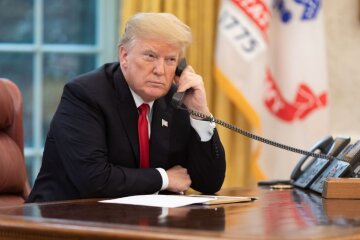
US President Donald Trump promised "very serious consequences" for Russia in 2025 if Moscow failed to agree to a deal ending the war in Ukraine. According to national security experts, these consequences are now becoming reality—not through direct pressure on the Kremlin, but through targeted strikes on Russia's network of proxy states.
This is reported by Fox News, as cited by Hvylya.
Morgan Murphy, a former advisor to the US special envoy to Ukraine, explains Trump's strategy: "If you look at his actions regarding Iran and Venezuela, these are two Russian proxies. Iran is a close ally supplying Russia with numerous drones. Venezuela was another Russian proxy in our hemisphere. Trump is taking Iran out of the game and has already removed Venezuela from the chessboard—this must change Putin's calculus."
Russia's war against Ukraine has been ongoing since February 24, 2022. Trump pledged to end the conflict after his inauguration in 2025, but the task proved more difficult than anticipated.
In June 2025, the US launched a series of strikes on Iran, severely undermining the country's covert nuclear program. By December 2025, Iran was engulfed in mass protests against the government and the economic crisis. The regime brutally suppressed the demonstrations—reports indicate thousands of citizens were killed. The Trump administration warned Tehran of potential military intervention if the executions and killings continued.
Iran and Russia have forged a close military partnership in recent years. According to US and allied officials, Iran supplies Russia with attack drones and other military aid, bolstering Russian attacks in Ukraine.
Retired US Air Force Lieutenant General Bruce Carlson explains the logic: "In any campaign, you don't just attack command centers—you cut supply lines and logistics. Pressuring Russian proxies does exactly that. Venezuela, Iran, and the shadow fleet are key arteries feeding Russia's war in Ukraine."
In January, the US administration arrested Venezuelan dictator Nicolas Maduro on drug trafficking charges. Venezuela has been another Russian ally, publicly supporting Moscow and maintaining high-level diplomatic ties, giving Russia a foothold in the Western Hemisphere through military-technical cooperation.
"Removing Maduro deprived Moscow of a key client in our hemisphere, and intensified pressure on Iran threatens the supply chain of weapons and drones Russia uses against Ukrainian civilians," said Carrie Filipetti, Executive Director of the Vandenberg Coalition.
In February, the White House announced a deal with India to increase imports of American energy and cease purchases of Russian oil. This strikes a serious blow to the Russian war machine, as the US leads global oil production, while Russia ranks third after Saudi Arabia.
According to a White House official, recent talks in Abu Dhabi were constructive. American, Ukrainian, and Russian delegations agreed on a prisoner exchange involving 314 people—the first in five months. The official asserts that such breakthroughs demonstrate that persistent diplomacy yields real, measurable progress.
Experts point out that Trump has offered Moscow what Murphy calls a "golden bridge" to exit the war: Russia's return to the main diplomatic table, the restoration of some Western commercial access, and the acceptance of the current occupation of Ukrainian territory without formal recognition of sovereignty.
Murphy compares this to a realistic proposal, but the Kremlin has so far refused, making the next step Russia's choice. "This is a decision the Russians will have to make. How many more lives are they willing to throw into this meat grinder? How much more death are they willing to tolerate?" the expert asks.
Ukrainian President Volodymyr Zelensky told journalists in February that the US has set a June deadline for Moscow and Kyiv to reach an agreement to end the war. This creates tension ahead of the US midterm elections in November.
Republican Senator Lindsey Graham is advancing a massive sanctions bill against Russia, which envisages punishing countries and companies that continue to buy Russian energy with secondary sanctions and tariffs. A separate bipartisan package targets tankers, insurers, and networks Russia uses to move oil and evade sanctions.
Filipetti concludes: "Peace in Ukraine can only be achieved by forcing Russia to face real consequences. Vladimir Putin is responsible for an aggressive war marked by atrocities against Ukrainian civilians. Any lasting peace must involve real repercussions for Russia itself."