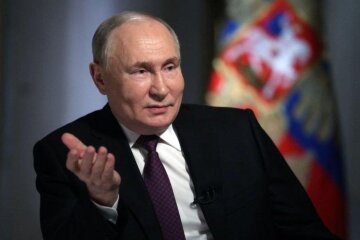
Before the Iran war seized global energy markets, the world had already survived a dress rehearsal. When Vladimir Putin cut off natural gas supplies to Europe, he intended to "inflict enough economic pain to shatter the coalition supporting Ukraine," as energy historian Daniel Yergin recounted. The effort failed.
Writing in the Financial Times, as reported by "Hvylya", Yergin argued that one key reason for Putin's failure was the ability of US LNG to replace substantial amounts of shuttered Russian gas. The shale revolution, he wrote, "has brought a new stability to the global markets."
That stability is now facing its most severe test. The Iran war has effectively shut the Strait of Hormuz, through which about 20 per cent of the world's oil and nearly 20 per cent of global LNG normally flow. Brent crude is up 50 per cent, Asian LNG prices have almost doubled, and European gas prices are surging as Asian buyers compete for the same US cargoes that rescued Europe from Putin's strategy.
Russia itself, though constrained by sanctions and price restrictions, remains a major exporter of oil - adding another layer of complexity to the current crisis. The global system proved resilient enough to absorb the loss of Russian gas to Europe. Whether it can absorb the simultaneous closure of the world's most important energy chokepoint is the question Yergin left unanswered.
The lesson from Putin's gambit is clear: diversified supply chains and strategic reserves work. But the scale of the current disruption - what Yergin called the "biggest disruption in oil production in history" - is testing those mechanisms at their limits.
Also read: Russia Providing Iran with Intelligence to Target U.S. Assets in Middle East