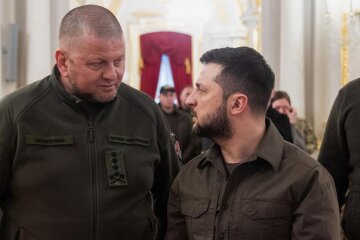
Ukraine continues to reap the consequences of its foreign policy strategy, which was often built on ignoring the interests of its closest neighbors, political analyst Yuriy Romanenko stated during a broadcast with AFU officer Andriy Dmytrenko.
Analyzing recent diplomatic scandals, Romanenko noted that the current hostility from Hungary and Slovakia is a logical reaction to Kyiv's previous rhetoric. "Zelensky mocked Orban — well, now the blowback has come from both Orban and Fico. We can believe as much as we want that Hungary and Slovakia do not participate in the big picture because we are a 'superpower' influencing global arrangements... but the reality is different," Romanenko emphasized.
The analyst expressed conviction that the decision regarding the end of hostilities will be made not only on the battlefield but also under the pressure of Washington's economic interests.
"The process will ultimately be a coercion of both sides, I am sure. Because American greed will prevail, and they will try to push their interests. Naturally, as the weaker party, we will make certain concessions. I have no doubt about that," the political analyst stated.
Romanenko also touched upon the topic of behind-the-scenes agreements, recalling the arrival of Russian negotiator Medinsky and the resonant statements made by Valeriy Zaluzhnyi in an interview with The Spectator. According to the expert, what is now becoming public was already being discussed in narrow circles back in the fall. The analyst claims that the situation was on the verge of open conflict.
"I'll tell you a secret: in our broadcasts, we have already 'leaked' some things through hints. In particular, the situation when there was an attempt to detain Zaluzhnyi in the final third of September. I knew about this from top-level sources literally hours after it happened," Yuriy Romanenko claimed.
Analyzing recent statements by Zaluzhnyi for The Spectator and Associated Press, Romanenko emphasized that the Commander-in-Chief effectively acknowledged a critical gap between the political ambitions of the authorities and the actual capabilities of the army.
"Zaluzhnyi gave an interview... and I tell you, terrifying things were said there. He effectively confirms the theses regarding a management crisis, where military decisions are being replaced by political expediency," the analyst noted.
In Romanenko's opinion, the release of such a candid interview at this specific time is not accidental. It is a strategic move by the Commander-in-Chief in the context of an internal information blockade.
"Why is this interview coming out now? It is a signal to our partners: 'Look, the system inside Ukraine is in deep conflict.' This is not just a conflict of personalities — it is a conflict of strategies: how to continue the war," Romanenko believes.
He concluded that for the Office of the President, this interview has become a "bomb that has already exploded," as the general's high approval ratings make any media attacks against him dangerous for the government itself.
Hvylya provides a concise summary of Valeriy Zaluzhnyi's interview with the Associated Press:
Key Revelations from the Former Commander-in-Chief
-
Political Confrontation: Zaluzhnyi is officially considered Zelensky's primary rival. While polls predict his victory in hypothetical elections, he denies any political activity until the war ends.
-
2022 Power Conflict: Zaluzhnyi disclosed details for the first time regarding an SBU raid on his office in September 2022. Viewing it as an attempt at intimidation, he threatened Yermak with deploying the army to protect his headquarters and called for reinforcements to central Kyiv.
-
Reasons for the 2023 Counteroffensive Failure: The former Commander-in-Chief accused the political leadership of dispersing forces. Instead of concentrating resources for a "single fist" strike toward Melitopol, troops were spread across the entire front line, stripping the operation of any chance of success.
-
Criticism of Current Strategy: Zaluzhnyi is dissatisfied with the current approach to mobilization—deeming manpower requests unrealistic—and the slow implementation of technology.
-
Rejecting Manafort’s Assistance: In the spring of 2025, American political consultant Paul Manafort offered Zaluzhnyi his campaign services but was turned down.