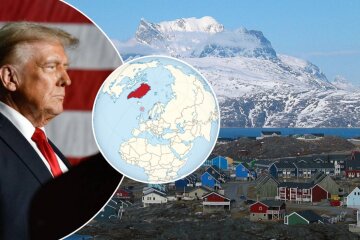
The European Union is considering imposing tariffs on the United States worth €93 billion or restricting American companies' access to the single European market. The move comes as a direct response to threats made by Donald Trump against NATO allies who opposed his plans regarding Greenland, the Financial Times reports.
This escalation has shattered any lingering European illusions that a strategy of appeasing the US president works. EU leaders, who were preparing to spend this week in Davos lobbying Trump to provide security guarantees for post-war Ukraine, are now questioning whether his promises can be trusted at all.
At the heart of the conflict lies Trump's stated intention to slap additional 10 percent tariffs on six EU nations, as well as Norway and the UK. The measure is intended as punishment for their resistance to his desire to gain control over Greenland, a territory under Danish administration. The dispute has ballooned into the gravest threat to the NATO alliance in decades.
Diplomats in Brussels describe the emerging strategy as a "carrot and stick" approach. EU ambassadors have already discussed triggering the so-called Anti-Coercion Instrument to protect the market or imposing retaliatory tariffs.
One senior EU diplomat offered a blunt assessment of the situation: "How can you sit at a table with this guy and discuss his security guarantees for Ukraine? You cannot trust him, unless you suspend your sense of reality."
Italian Prime Minister Giorgia Meloni, who spoke with Trump the previous day, noted that he was "interested in listening" to potential compromises. However, another European diplomat urged caution against knee-jerk reactions: "Hold your horses (and your bazookas) until after Davos."
Mario Centeno, a candidate for vice-president of the European Central Bank, warned that new tariffs would deliver a "structural shock" to European businesses.
"We would be much better off without tariffs. But European companies will become more efficient and competitive over time: it is a paradox of sorts," Centeno concluded, calling for coordinated monetary and fiscal policies to counter the "weaponization of tariffs."