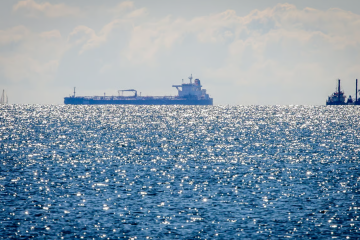
Brussels is radically shifting its strategy to curb Kremlin revenues from energy exports.
According to European Commission spokesperson Paula Pinho, the European Union no longer fears global market instability and is considering a complete ban on providing maritime services to Russian oil tankers. This marks a de facto abandonment of the "price cap" mechanism in favor of a total logistics blockade, Ukrinform reports.
Pinho confirmed that the EU has reassessed potential threats to the global oil market. Previously, fears of fuel shortages and price spikes forced allies to opt for a compromise price cap rather than a total ban.
"When we put forward these proposals, we look at the possible implications. So obviously there had to be a change in the assessment for us to propose this," she stated.
This new approach will form the core of the 20th sanctions package, currently under development. The primary objective is to maximize difficulties for any Russian raw material exports by sea.
Why this matters:
- Until now, the price cap allowed Russia to legally export oil to global markets provided specific limits were met;
- A full ban on maritime services (insurance, escort, maintenance) would render sea transport virtually impossible for the majority of tankers.
"This is clearly a tightening of sanctions... With a ban on maritime transport services, any export of oil from Russia becomes even more difficult, so the logic is exactly that," the EC spokesperson added.
To ensure the new restrictions are not solely European, the EU is initiating talks with the G7 nations. Brussels aims to reach a consensus with all G7 states regarding a comprehensive ban on maritime services. Only such a coordinated move would make the sanctions truly effective and close the loopholes the aggressor has exploited thus far.
While details of the 20th sanctions package remain confidential, experts expect its imminent adoption to deal the harshest blow to Russia's oil and gas sector in recent years.