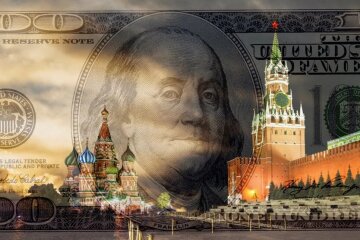
The dispute over how exactly to use Russia's frozen state assets is escalating within the European Union.
Valérie Urbain, CEO of Euroclear, stated that it would be more expedient to preserve these funds as a leveraging tool in future peace negotiations rather than using them as collateral for a massive €165 billion reconstruction loan for Ukraine. Politico reported on her statement.
In an interview with Belgian broadcaster VRT on Friday, December 5, 2025, Urbain stressed that creating a complex legal framework around the assets carries excessive risks. In her view, the EU would, in that scenario, lose a strategic negotiating tool with Moscow precisely when it would be most valuable.
These comments follow the European Commission's presentation of the reconstruction loan idea. The issue is set to be on the agenda for the EU leaders' summit in Brussels scheduled to take place in two weeks. Amid assessments that Ukraine's financial resources could be exhausted by spring 2026, European capitals are searching for an option that would simultaneously support Kyiv and prevent the Kremlin from launching a legal and financial counterattack.
The position of Belgium adds separate tension. Prime Minister Bart De Wever fears that launching the reparations mechanism could provoke a Russian response. Consequently, he demands guarantees from EU partners for swift financial coverage in case Moscow attempts to reclaim the frozen funds through courts or other pressure instruments.
For Euroclear, the discussion is not abstract. The Brussels-based depository holds the largest share of these assets, meaning it bears the primary legal and market risks. Urbain warned that potential losses, or even a threat to the company's financial stability, could severely damage confidence in the European market and have broader consequences for the global financial system.
The European Commission insists that the new scheme addresses the concerns raised by Brussels and Euroclear. At the same time, De Wever is publicly demonstrating skepticism. European Commission President Ursula von der Leyen and German Chancellor Friedrich Merz are expected to hold talks with the Belgian Prime Minister to mitigate the blocking risks before the summit.
Thus, Russia's frozen assets have turned into a double-edged dilemma for the EU. On the one hand, they represent a potential resource for supporting Ukraine at a critical moment. On the other, they are too dangerous a tool, one that could undermine financial stability and strip Europe of a crucial advantage in future negotiations to end the war.